

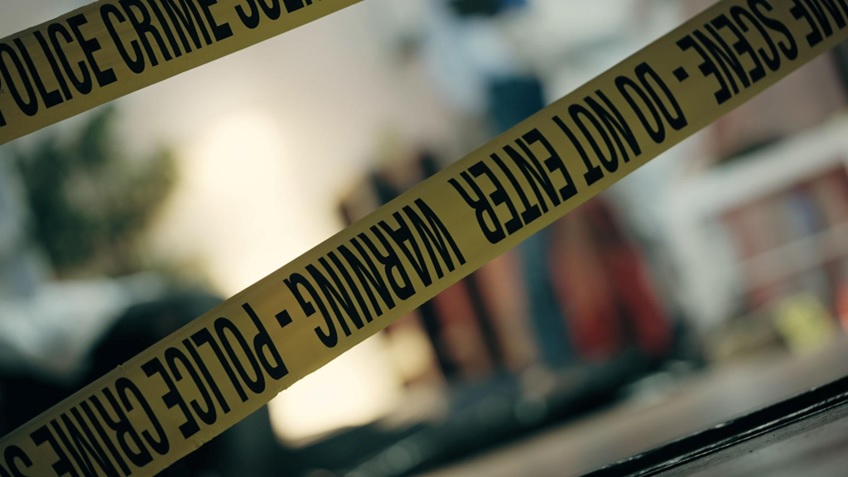
When a crime happens inside an apartment unit, tenants often ask a difficult question: is the landlord responsible? The answer depends on whether the landlord failed to provide reasonable security or neglected known safety risks. In some cases, landlords can be held legally accountable if their negligence contributed to the incident.
When a Landlord May Be Liable
Landlords in Florida have a duty to maintain reasonably safe living conditions. This includes basic property upkeep such as working locks, secure doors and windows, proper lighting in common areas, and functional security systems if they are part of the lease agreement.
If a crime occurs and it can be shown that the landlord ignored known security issues—such as broken gates, faulty locks, or repeated criminal activity in the building—they may be considered negligent.
The Role of Negligent Security Claims
One of the most common legal theories in these cases is “negligent security.” This occurs when a property owner fails to take reasonable steps to prevent foreseeable criminal activity.
For example, if an apartment complex has a history of break-ins but management fails to install proper lighting or repair broken entry systems, the landlord may be held partially responsible if a tenant is harmed.
When Landlords Are Not Typically Responsible
Not every crime leads to landlord liability. In many cases, landlords are not held responsible for unpredictable or random criminal acts committed by third parties. If the crime was not foreseeable and the property owner maintained reasonable security measures, legal responsibility may not apply.
Courts often look at whether similar incidents had occurred before and whether the landlord took steps to address them.
Evidence That Can Support a Claim
Tenants who pursue legal action typically need strong evidence. This may include police reports, maintenance records, prior incident complaints, security footage, and witness statements. Documentation showing repeated safety complaints or ignored repair requests can be especially important.
The stronger the proof of negligence, the more likely a claim may succeed.
What Tenants Should Do After an Incident
After a crime, safety should come first. Once immediate danger has passed, tenants should report the incident to law enforcement and notify the landlord in writing. Taking photos of the unit, documenting damages, and saving communication records can help preserve evidence for a potential claim.
Final Thoughts
A landlord is not automatically responsible for every crime that occurs in a rental unit. However, if poor maintenance or ignored security issues contributed to unsafe conditions, legal accountability may be possible. Understanding the difference between random criminal acts and negligent security is key to determining whether a lawsuit can be pursued.
This post was written by Kelly-Ann Jenkins of Jenkins Law P.L. Kelly-Ann is an insurance claim Lawyer. The information on this site is not intended to and does not offer legal advice, legal recommendations, or legal representation on any matter. Hiring an attorney is an important decision that should not be based on advertising. You need to consult an attorney for legal advice regarding your situation. Click here to learn more!
The information provided on this website does not, and is not intended to, constitute legal advice; all information, content, and materials available on this site are for general informational purposes only. Information on this website may not constitute the most up-to-date legal or other information. This website contains links to other third-party websites. Such links are only for the convenience of the reader, user, or browser; the ABA and its members do not recommend or endorse the contents of the third-party sites.


