

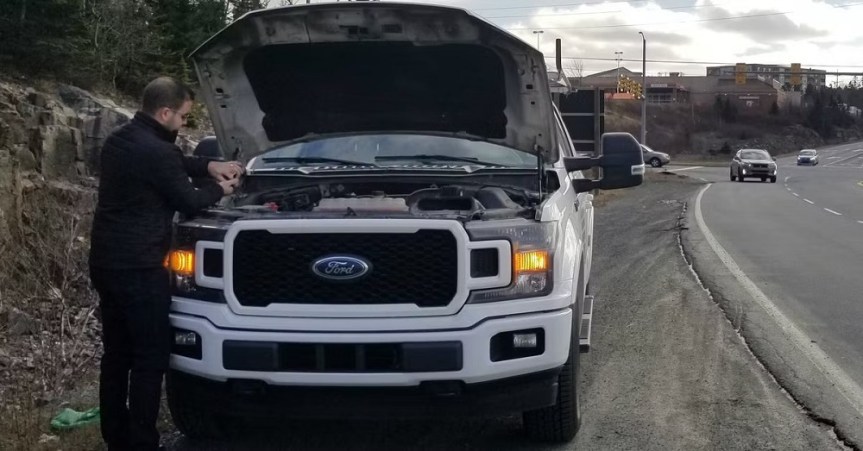
Owning a Ford often means relying on American engineering with a history of innovation. Still, even the best cars face wear, tear, and quirks. Knowing the common problems can save drivers time, money, and stress. From faulty transmissions to electrical gremlins, understanding the weak points of your vehicle empowers you to drive smart and stay safe.
Transmission Troubles
Many Ford models, particularly the Focus and Fiesta, have faced complaints about the PowerShift dual-clutch transmission. These issues often present as:
- Jerky shifting
- Hesitation on acceleration
- Shuddering at low speeds
This problem affects drivability and, in some cases, long-term reliability. Some owners have had to replace the transmission entirely before hitting 100,000 miles. Staying alert to shifting issues can help catch trouble early.
Engine Problems
Certain Ford engines—especially the 3.5L EcoBoost V6—are known to develop carbon buildup and overheating issues. While the power is impressive, the heat generated can cause:
- Cracked cylinder heads
- Coolant leaks
- Overheating under load
Routine maintenance and using high-quality fluids help, but some problems may still surface. Warning signs like engine knock or fluctuating temperature gauges deserve immediate attention.
Electrical System Flaws
Modern Ford’s pack in tech. That means more potential for glitches. Common complaints include:
- Random warning lights
- Sync infotainment system freezing
- Battery drain issues
Drivers often find themselves battling dead batteries or non-functioning displays. While these don’t always stop the car, they can compromise convenience and safety.
Suspension and Steering Wear
Fords built for comfort, like the Edge or Explorer, sometimes suffer from early suspension wear. Symptoms include:
- Clunking sounds over bumps
- Uneven tire wear
- Loose or vague steering feel
Ball joints, tie rods, and control arms may degrade faster than expected. Addressing these issues promptly helps prevent bigger repair bills and ensures stable handling.
Brake and ABS System Faults
Some Ford vehicles experience premature brake wear or ABS module failure. Indicators include:
- Pulsating brakes
- ABS light on the dash
- Reduced stopping power in wet conditions
Replacing brake pads early and flushing brake fluid regularly can extend the life of the system. But if warning lights persist, professional diagnostics are critical.
Smart Moves for Ford Owners
To avoid serious trouble and unexpected bills, drivers should:
- Follow the maintenance schedule
- Listen for unusual noises.
- Check recalls regularly—many Ford issues are covered under extended warranties or class actions.
- Choose reputable mechanics familiar with Ford systems.
- Document issues early in case of warranty or legal claims.
If persistent Ford car problems lead to safety concerns or repeated failures, owners may want to explore their legal rights. Sometimes, these defects fall under state lemon laws. Reaching out to [Seven Law Group] may provide clarity and legal recourse.
Final Thoughts
Ford makes solid vehicles. But no car is perfect. Being informed means being ready. Watching for common Ford issues—before they become expensive ones—lets drivers keep their vehicles running strong. After all, smart drivers don’t just drive. They drive informed.

 Legal Law Blog